Do you know what today is?!?!?!

November 5th came and went, and I had no idea I was missing National Donut Day. Despite this oversight, I may just try making The Pioneer Woman ‘s donuts anyway. They look delicious.

TheChunkyChef's avatarMy Adventures in Dinner Time

I know you’re thinking, “um, duh… it’s Wednesday November 5th…”, and yes, it is.  But it’s also National Donut Day!!!  Did you know such a thing exists?  I didn’t until today, and now…. well now I REALLY want a donut.  And I can explain and rationalize my desire for a fried, sugar coated treat, because it’s National Donut Day… it’s allowed, right?  Shhhh, just go with it.  It’s a chilly day here and my son is still sleeping, so I won’t be running out to grab some delicious glazed donuts any time soon (grrrrrr), but in my donut frenzy I came upon this recipe by the Pioneer Woman (of whom I am a completely geeky fan, like seriously, she’s awesome).

http://thepioneerwoman.com/cooking/2010/02/homemade-glazed-doughnuts/

I have never made donuts before, never even considered it… and while I may not make them today (feeling a little under the weather), I will have to make them…

View original post 41 more words

Salted Caramel Meringue Tarts

Another amazing dessert to make soon!

Irish Bakewell Buns

I’d never heard of these before reading this post. I think my family will be trying them before too long! They look so delicious!

cookingwithcraic's avatarcookingwithcraic

15574044198_039d6296e5_z

Growing up in Canada, I’d never really heard of bakewell tarts until a few years ago.

In fact, since I moved to Ireland almost exactly 1.5 years ago, I’ve been introduced to a whole slew of new things (I’m sure you’re shocked to hear that).

15735780196_70f6dfaea5_z

Some things I’ve learned:

1. Sliced Pan = sliced bread

2. Potato chips are crisps. Most of you know that. But did you know crisps can be a sandwich filling? And, in fact, all you would need for this sandwich are crisps, sliced pan and butter? Did you know that was a thing? I didn’t.

3. When someone asks you if you want salad with your sandwich at a cafe and you say yes, you generally get several kinds of mayo-laden potatoes and coleslaws. Gotta say, I don’t always mind. I really like mayo.

4. What we think is breakfast in Canada is a piece…

View original post 507 more words

Holiday Smells

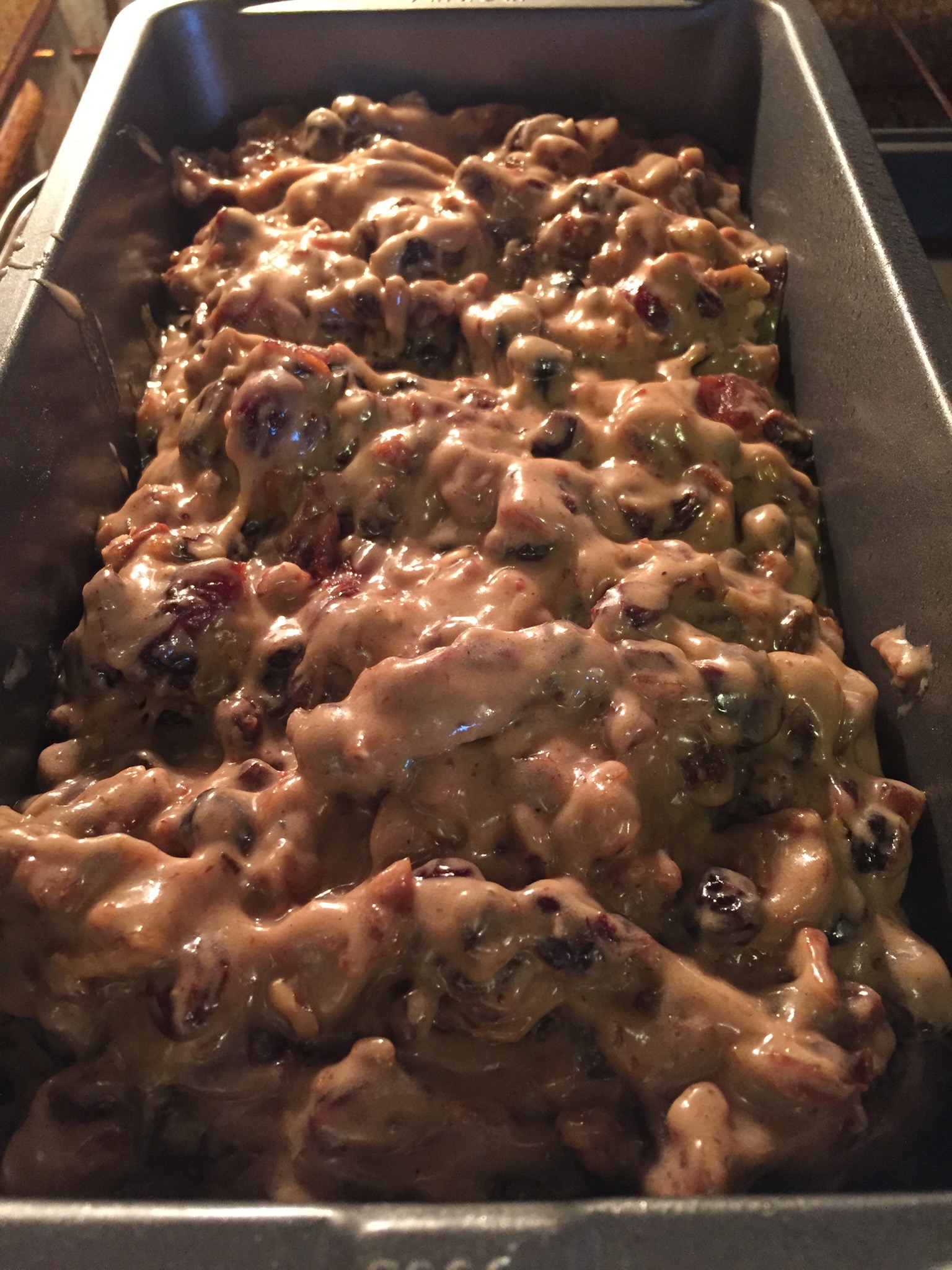
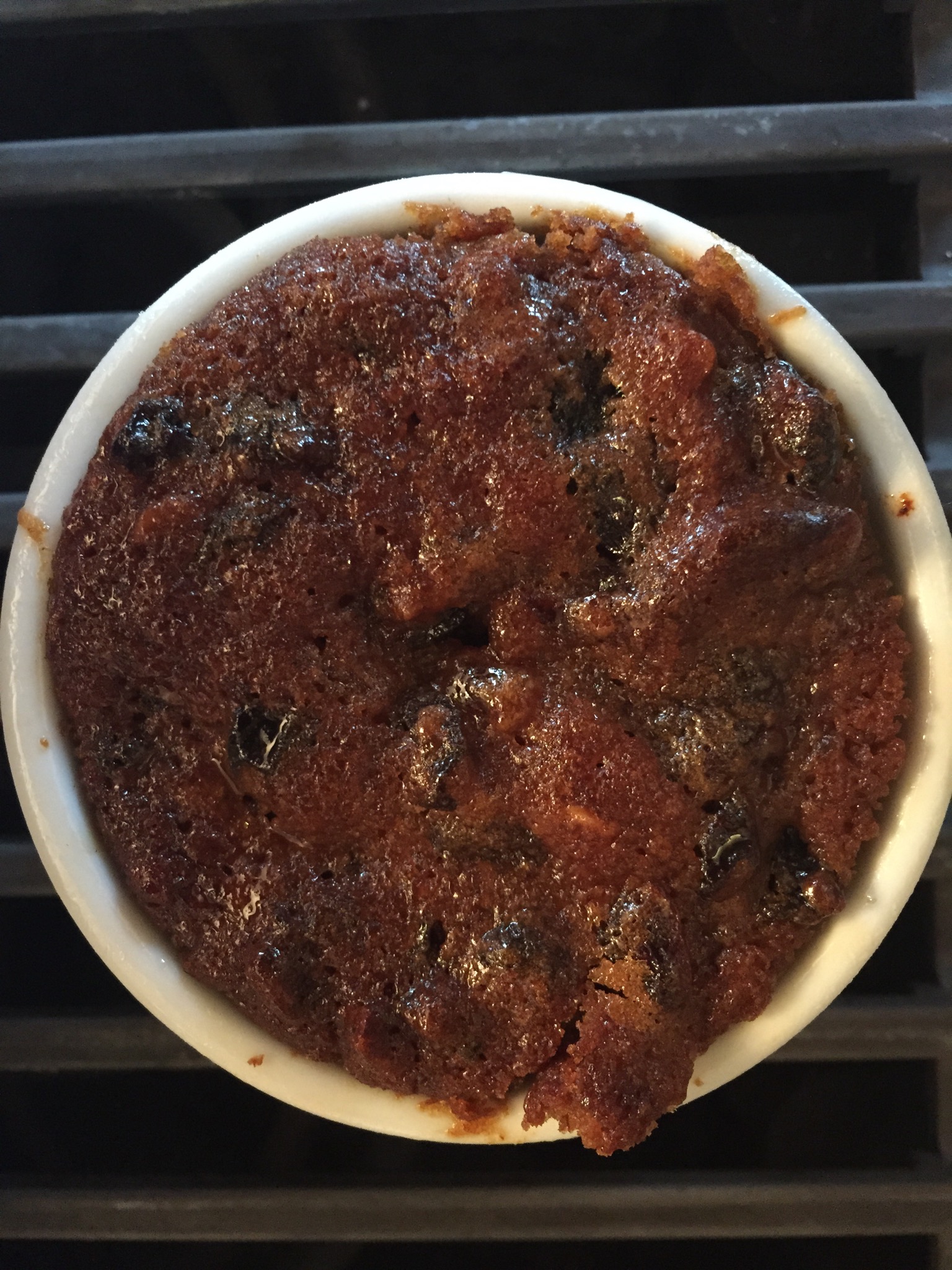
There’s not much that can compare with the smell of spiced fruit baking into a cake. Rich, sweet, aromatic. Allspice and cloves, cinnamon, orange and lemon, all mingling in a kitchen whose mess might be overlooked for a nibble of the tiny fruitcake that baked alongside the big loaf pans. Today, the fruit that had soaked up the warm flavors of rum and brandy and then simmered in apple juice and spices, was finally mixed into a cake batter and baked in the oven. It will be weeks more of spraying with brandy every few days before the flavors will have mellowed and blended and matured to be the perfect holiday treat. This tradition will be sticking around for a long time in this home.

IMG_1171.JPG

IMG_1172-0.JPG

Holiday Fruitcake Begins NOW

For the last several years, Aaron has made the most amazing fruitcake this world knows. Its creator is Alton Brown of the Food Network, the god of our family’s kitchen. It’s made with actual dried fruit, not that nasty stuff that’s mostly sugar and food coloring. It’s soaked in rum and brandy. So much rum. Copious amounts of brandy. So much that after Sofia was born (she came right before Christmas), after nine months of alcohol abstinence, I got a buzz from eating (way too much of) it.

Tonight I said casually to Aaron, “Maybe I’ll start chopping fruit for the fruitcake,” and he said, “Okay,” and just like that I’ve been made the Master of the Fruitcake. It’s a big responsibility. I’m taking it very seriously.

IMG_1113-0.JPG

C’est La Vie…

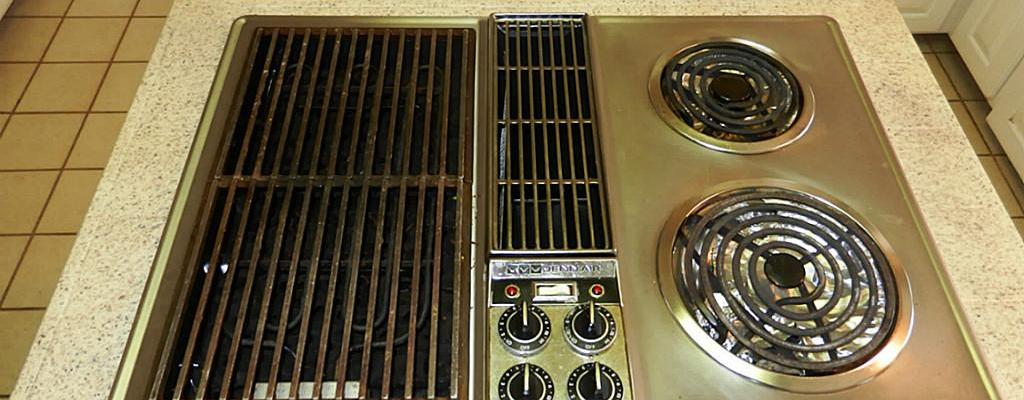
All summer I’ve been bemoaning my lack of cooking space. Our home was built in 1979, and it still has the original appliances. The sink in the master bathroom has some accessories dated 1985, so I’m not sure of the exact date of the JennAir range, but it’s probably between thirty and thirty-five years old. Possibly older than I am, if anyone was wondering.  And it has two burners. They’re set pretty close together, too, so using the big pressure canner is challenging — the canner overlaps the second burner, so I always worry that the food I’m heating prior to canning won’t cook evenly. It also has a griddle above an odd-looking heating element. The griddle can be switched out for a pair of grills, which I have assumed are intended for using to cook meat. I’ve never used them because we have a nice barbecue of which Aaron is very proud, and even on chilly days it’s not a big deal to fire it up and cook on it.

A JennAir range. Not mine. Mine is too grimy.
A JennAir range. Not mine. Mine is too grimy to be featured in its own post.

This weekend, Aaron’s aunt and uncle were in the area and stopped by for a quick overnight visit. “In the area and stopped by” is Alaskaspeak for “They were in Seattle and thought they’d drive three hours to see us.” In Alaska, three hours isn’t an unusually long drive, though it’s long enough that we were grateful and delighted they’d thought of us. It turns out that Aaron’s aunt had once had a JennAir range of her own. I told her how difficult I was finding it to work with only two crowded burners, and she said, surprised, “But there are two more burners.”

I think my response was a highly articulate “Huh?”

She went on to explain that the heating elements across from the burners were designed to heat pots, too. You just put the sturdy grills on instead of the griddle, and away you go.

I hadn’t had a clue. I’ll admit I had thought of it, in the irritation of trying to heat a pot that was only resting 2/3 of its bottom on its heating element, but I dismissed it as a silly and impractical idea. I still can’t believe I never looked it up online — or asked my mother-in-law, who has also used one of these ranges. But there it is. A whole summer’s worth of struggle, ended in one brief conversation.

Ah, well. C’est la vie — that’s life. There’s always next summer.

Small note: The photographs you see on my blog are generally my own, with the exception of my post “Remembering…Drying Fruit,” which features a stock photo of a sales model of a cast-iron range and an ad for an wringer washing machine. For this post, rather than photograph my own range (which needs to be cleaned with more elbow grease than I currently have available), I also used a photo of an identical range that I found online. Salvaging my pride, one tiny step at a time. Sorry.

Green Grape Jelly

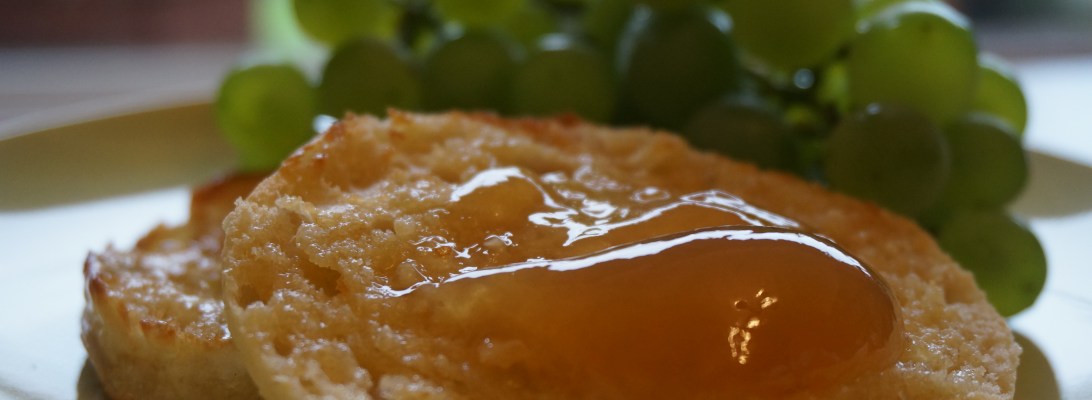
Two weeks ago, I picked grapes from the arbor out back with the kids, and made jelly. It was my first time ever making grape jelly. I was so excited to be using grapes from our own vines.

To make the jelly,  I followed this recipe from pickyourown.org. Well, I mostly followed it. Actually I neglected a pretty important detail. The author suggests checking to see that the jelly is ready by putting a bit into a chilled spoon and watching how firmly it sets. I later read that grapes are especially variable in the amount of pectin they contain naturally, so you start with the smallest amount of packaged pectin that might be needed and then add more as necessary. Although it didn’t set as firmly as I’d have liked in the chilled spoon (hardly at all, in fact), I didn’t think I needed to add more pectin (even though she explicitly said YOU WILL PROBABLY NEED MORE THAN A SINGLE PACKET OF PECTIN), especially since I had run out. And one child was screaming and one was whining and I was ready to be DONE. And I was too sleep-deprived to make a well-reasoned decision.  Not surprisingly, it didn’t set.

Luckily, pickyourown.org also has instructions on how to fix jelly that hasn’t set: dump the jelly out into a pot. Wash and re-sanitize the jars. Heat the jelly again. ADD MORE PECTIN, starting with a handy little table that gives amounts of lemon juice, sugar, pectin, and water for different amounts of unset jelly. Water bath again. And… we have green Concord grape jelly! It tastes almost like the grape jelly you buy in a store, but with a bit less intensity. I’m not sure why it’s different. Maybe the green ones are more mild? Maybe they could have used another week to ripen? In any case, I’m pretty happy with it. So delicious.

.

Making Chai Citrus Spritzer

I’ve recently begun to realize how important food is to me. Every bite of a familiar food is loaded with nostalgia, accompanied by a dazzling parade of memories. Every recipe comes with a cascading waterfall of linked stories connected to the people in my life. Food brings with it a sense of family, closeness, love, friendship. Even now, far from the commune where I grew up, I dislike eating alone; growing up on the farm, meals and snacks were generally group activities. Someone was always hungry. The rustle of a bag or the soft whooosh of the refrigerator door could draw a crowd even if you started out alone in the roomy kitchen.

[This seems like a good place to mention that if you really just want a recipe, not a long reminiscence, you can scroll way down to the end for instructions.]

So, for me, chai (my preferred method of infusing caffeine into my veins) is a drink fraught with memories. When I took my first life-changing sip, I was nineteen. I was in the dreamy yet awkward stages of undeclared (and, according to the strict rules of the communal college I attended, forbidden) love. Just outside Haines, Alaska, the farm we lived on was a college destination predominately for youngsters like me who’d grown up in a network of communes across the world – mostly in North America, mainly in the North. I had left Ontario the previous year to attend the Christian college for a degree in education.

Now, here we were, a gaggle of sheltered kids freed from the early-morning weekly duty of helping in the commune’s bakery in Haines, basking in the freedom of an unsupervised stroll to a coffeeshop. Mountain Market was dubious territory. It was frequented by the “granola” crowd, modern-day hippies wearing natural fibers, sporting natural body odor, and topped with naturally unwashed hair. We, on the other hand, typically wore modest business-casual attire. Girls in skirts ranging from prim to trendy, but all below the knee, tops carefully buttoned to three fingers below collarbones; boys with shirts neatly tucked; all scrupulously clean. Not a beard, tie-dyed garment, or matted lock of hair in sight.

I’d never had an espresso drink, didn’t care for coffee, had certainly never seen a headful of dreadlocks like the one on our friendly (yet terrifying) barista. “I don’t know what to order,” I whispered to my crush Aaron, who was at the college for just one year “for the experience.”

“You need to get a chai. You’ll love it.”

“A what?” At least espresso was identifiable as coffee. I had no idea what a chai was. It sounded as unfamiliar and scary as the tentacle-headed blond barista behind the counter.

“It’s a spiced tea with steamed milk. It’s really good.”

I wanted to impress Aaron with my willingness to try new things, with my bravery, so I tremulously ordered a chai. I don’t know if he was impressed with my daring, but my first sip drove out all thoughts of wowing the love of my life. It was the best thing I’d ever tasted. I was hooked.

And now the taste of chai is inextricably intertwined with the painfully agonizing delight of new love.

Fastforward a decade. On a frosty winter weekend morning, baby snugly tucked into his car seat carrier, I was meeting my best friend for coffee and gossip at a cafe in Anchorage, Alaska, exactly seven minutes from my home and two minutes from hers. I usually ordered a chai – why change a perfectly pleasing tradition? But I perused the menu anyway, because I’m a compulsive reader and menus contain words. And there it was. CHAI CITRUS SPRITZER. Made with spiced tea, citrus flavors, and ginger. I ordered. I sipped. I was transported. From then on, I was completely hooked. It was cool, it was spicy, it was fizzy, it was a perfect meld of complementary flavors.

At some point I stopped exclaiming over the amazing taste experience I was having and restrained myself from forcing Gracia to try the new drink, and we went on to our comfortable routine of comparing work stories, discussing politics and philosophy, noting tiny Niko’s milestones, and laughing uproariously together. But secretly, in the back of my mind, I was deconstructing the drink with each sip. A little orange…a little lime…a bit of ginger…I was sure I could recreate this.

And of course I did. And now I’m sharing it with you. Here, for your sipping pleasure, is the flavor of deep and lasting friendship; of Alaskan winter turning so very slowly to spring; of the burdens of new motherhood lightened by the irreverent hilarity of a childfree friend; all laced with that original chai flavor of new love on an Alaskan commune. I give you: Chai Citrus Spritzer.

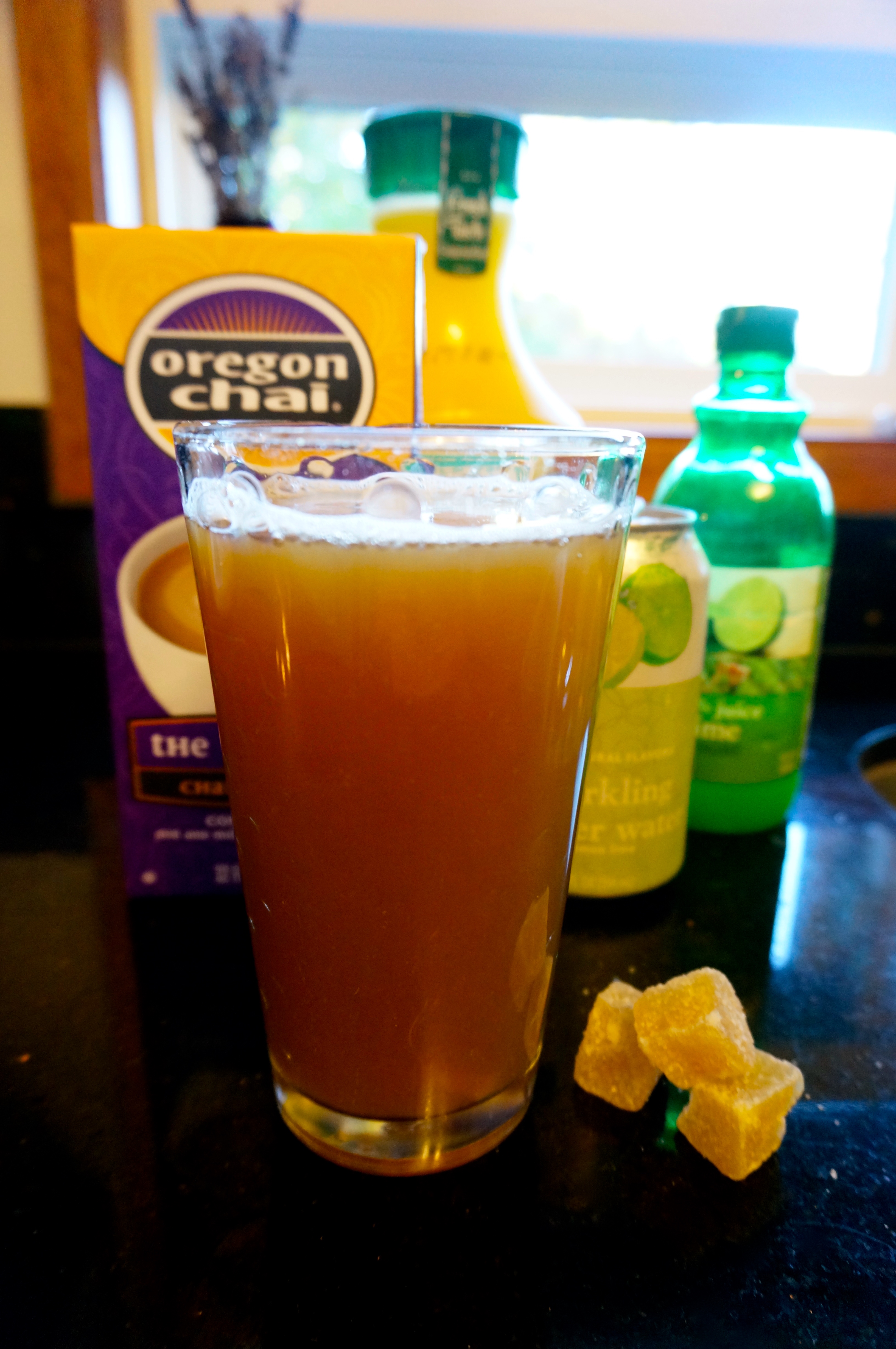
1. Collect your ingredients: prepared chai, crystallized ginger, orange juice, lime juice, sparkling water, a tall glass. I drink chai routinely; I used to get my Oregon Chai at Costco in packs of three. You can get it at Fred Meyer, a Kroger store, too. Or you can brew your own from tea bags, as I do these days. (You can see my recipe here.) The crystallized ginger is usually available in the bulk section of a grocery store. It adds flavor, but if you can’t find it, don’t let that stop you from enjoying this drink. It’s not crucial. For the carbonated water, I like to use the store brand cans of lemon-lime flavored sparkling water from Fred Meyer. The mild citrus flavor helps merge all the flavors of the drink, and it just happens to be really really inexpensive. If it’s not available, just use any plain seltzer water.

2. Grate, crush, or use a knife to trim small pieces of crystallized ginger into the glass. How you prepare it depends on how big the chunks of ginger are. When I started making it, the crystallized ginger I found in the bulk section at Fred Meyer came in very small pebble-like pieces, and I just crushed them between my fingers as I dropped them into the glass. Now that I’ve moved and get it at a different store, it comes in big 1/2 inch cubes, and I have to cut pieces.

3. Add about two fingers of orange juice and a dash of lime juice.

4. Fill the glass just over half full with the prepared chai.

5. Top with carbonated water.

6. Close your eyes and slowly sip the cool, sparkling, ginger-and-citrus concoction. Breathe deeply. Relax. Ahhhh….DSC03305

Golden Butternut Beet Soup

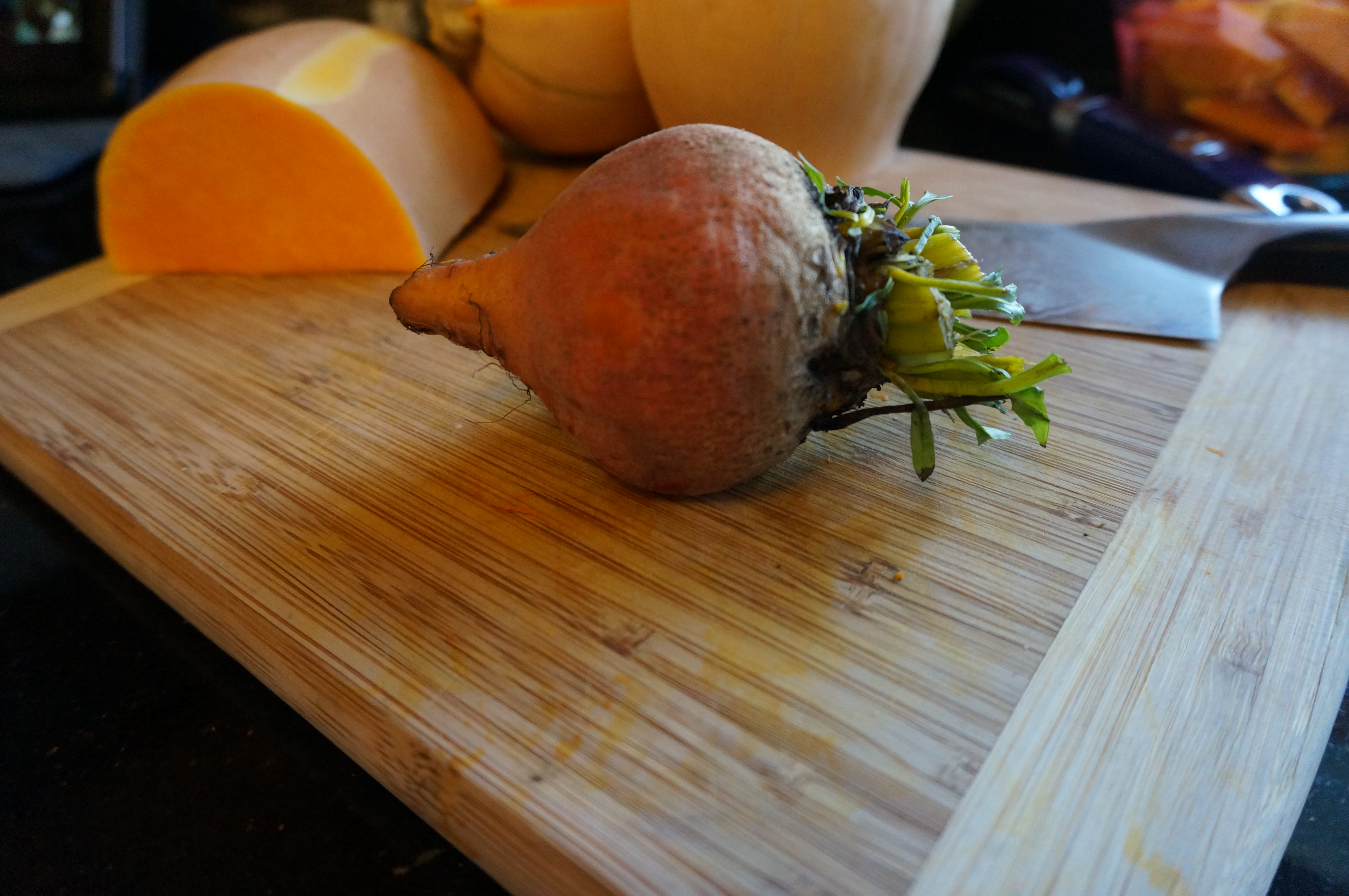
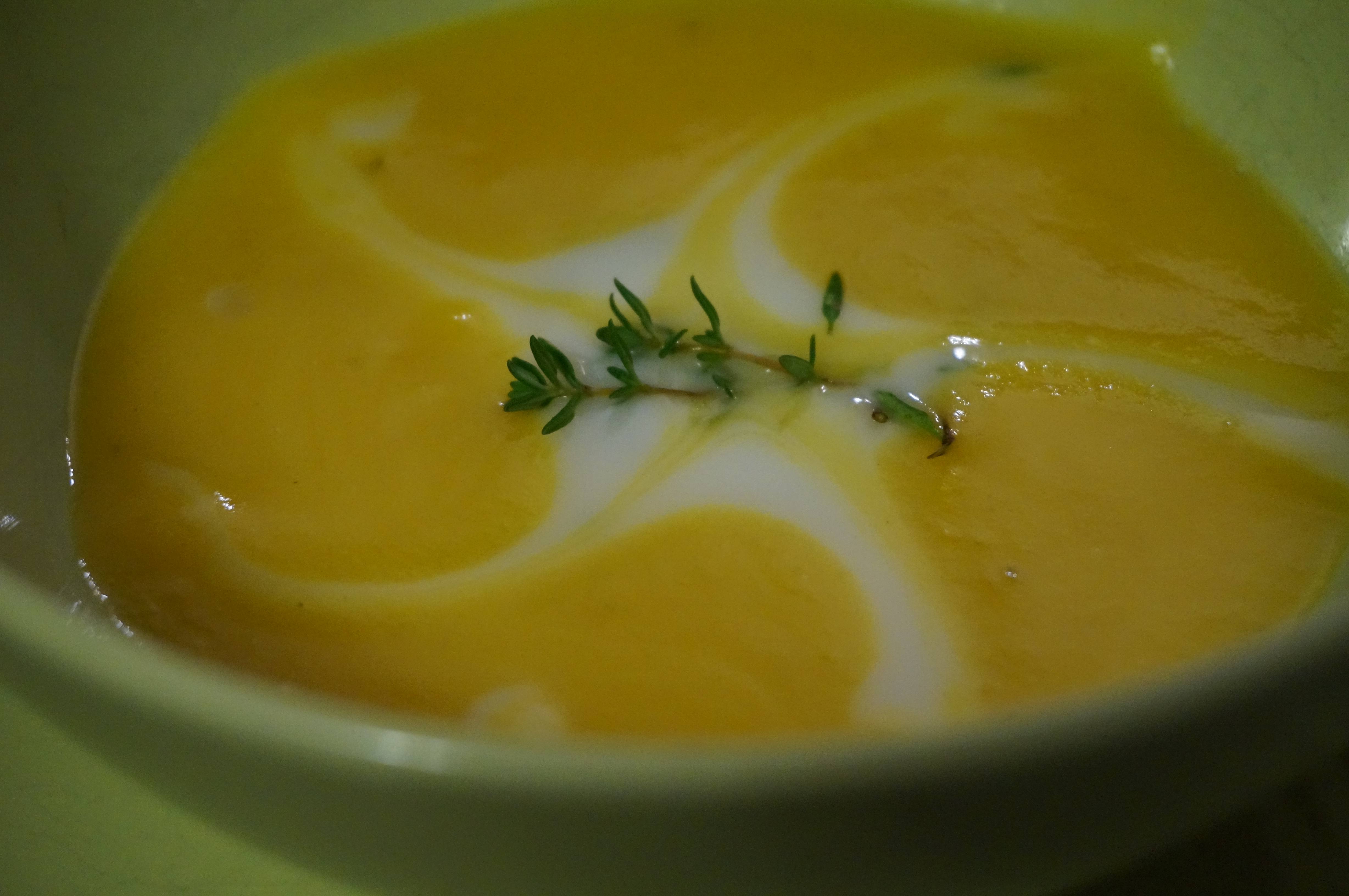
The honest-to-goodness chilly, rainy fall days we’ve had lately are perfect for a nice hot bowl of soup. I came up with this tasty squash soup last week, when I just couldn’t find a recipe online or in my cookbooks that I liked and was desperate to find a delicious, quick, easy way to turn my gigantic butternut squash into soup. And then I opened my fridge and saw two lonely, lovely little golden beets (so very different in flavor and character than their show-off red cousins) huddling together in the crisper, and was inspired. I love squash soup, but it can be a little bland – the golden beets give it a warm autumn flavor, perfect for a rainy day.

Golden beet. Tender, mild, and so delicious.
This soup is dairy-free. I mention that because it’s such a creamy-looking soup that one might assume it’s made with milk, but it’s not. I’ve been avoiding dairy the last 10 months because a screaming baby is not conducive to pleasant evenings or a pleasant mom, so I’ve had to figure out how to substitute different ingredients in even my tried-and-true recipes. In this new recipe, I used coconut oil instead of butter to brown up the onions, and it adds just a hint of coconut taste to the soup. I think it’s delicious, a delicate complement to the mild flavors of squash and beet; however, vegetable oil or butter, if you’re not worried about dairy, should be just fine too. By the way, I use a lot of coconut oil for cooking, so I get mine at Costco for a wayyyyy better value than you’d find it at a grocery store, where it can be a tad pricey.

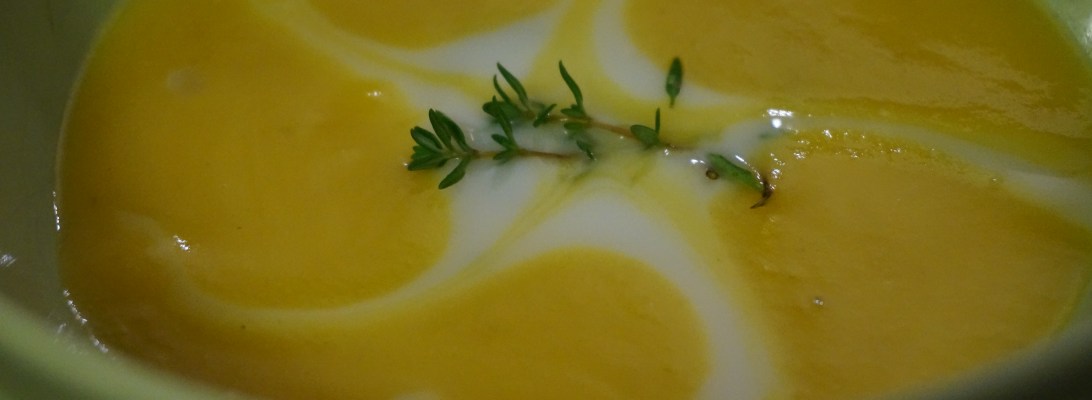
Optional: Add a dollop of thyme-flavored yogurt to finish off each bowl. If, like me, you’re avoiding dairy, you can get cultured coconut milk to use instead of cow’s milk yogurt – I find mine in the “Non-Dairy” section of my local grocery store. Just stir some thyme and a little honey into it and let it sit at room temperature while you make the soup, then put a generous spoonful into each bowl of soup before eating.

You’ll need a butternut squash (I used about ¼ of a really large one), an onion, a potato, and two golden beets, with 3 cups of chicken broth for liquid. Don’t even think about using red beets. The ghost of my childhood self – forced to endure cold, slippery, sour pickled beets all winter long, their garish juices assaulting the mashed potatoes and meatloaf innocently resting on my plate – will rise up and haunt you if you do. And I don’t even want to think about the color your soup will be if you try a red beet. If you don’t have a golden beet, just use a couple of carrots for the added bulk and a bit of sweetness. For seasoning, you’ll need about 2-3 sprigs of thyme and ¼ teaspoon of cumin powder, which is a great balance for the coconut oil you’ll use to brown the onions.

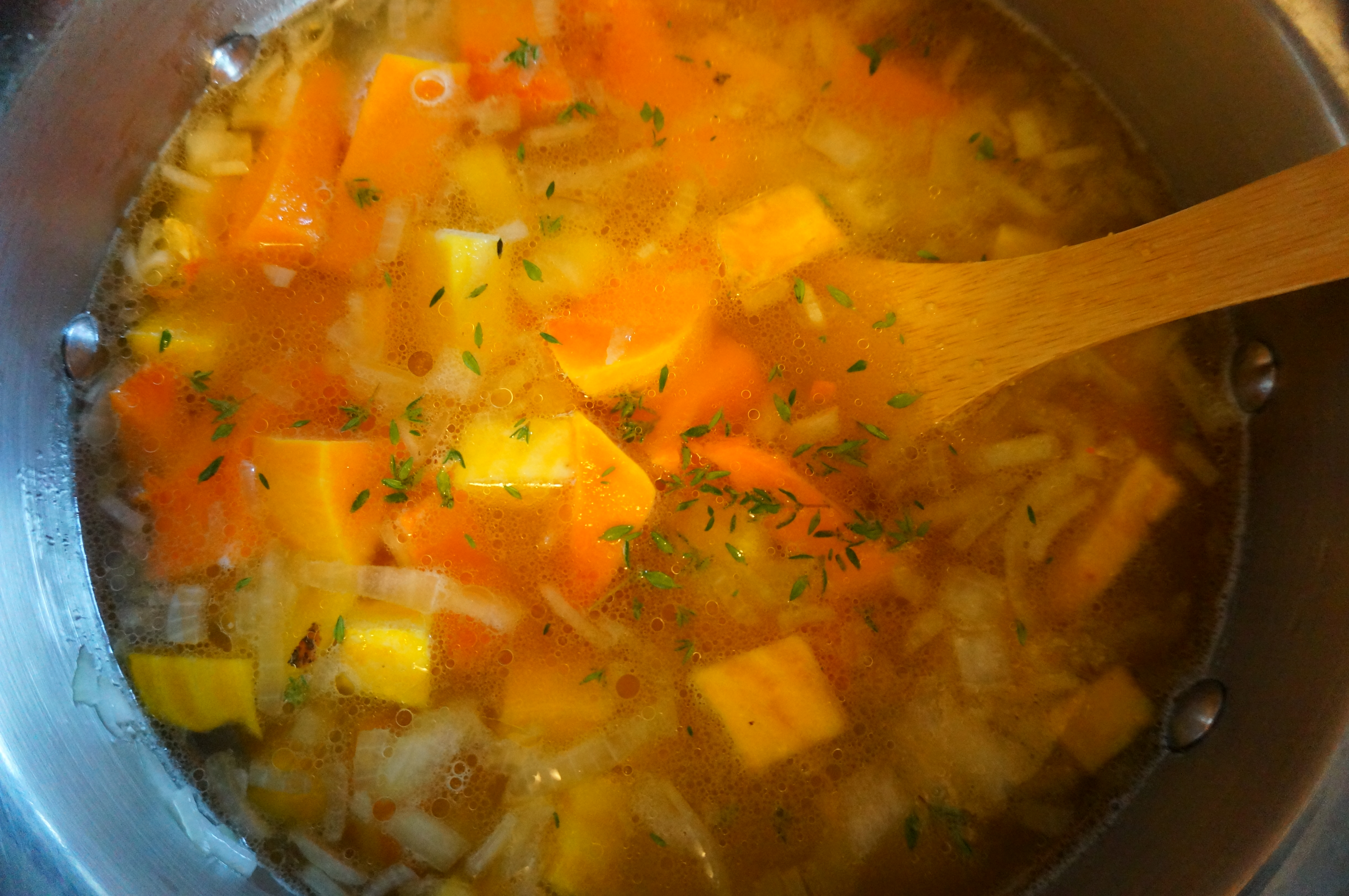
Slice an onion. You’re going to be pureeing this, so you don’t have to worry about perfection here, but thinner is better for easy blending later on. Melt 2 tablespoons of coconut oil in a large pot on medium heat. Be aware that it burns fairly easily and melts very quickly – don’t give it too much time to heat before adding your sliced onion. Cook the onions till they’re soft and just starting to brown. While the onion is browning, quarter your butternut squash and peel the quarter you plan to use right now. Leave the peel on the rest so you can store it without losing its freshness. Cut it into ½ inch cubes until you’ve chopped 1½ cups. Peel your potato and the beets as well, and cube them like the squash. Then, add your chicken broth to the pot – I use Costco’s Better Than Bouillon with water – and turn the heat up to high. Dump in the veggies, add the thyme and cumin, and let it simmer until everything is soft.

Simmer the veggies...
Simmer the veggies…

Now it’s time to puree. If you’re new to blended soups, a few words of advice: Don’t blend the whole thing at once, and have a towel ready to clamp down the lid of the blender. The hot liquid has a tendency to cause pressure buildup, and when the blades start whirling, you’re likely to have a mess at best and a faceful of near-boiling liquid at worst. Do half at a time. Drape your folded towel over the lid and hold it down firmly as you turn it on. The hot-liquid effect can be minimized by starting it at a low speed before going up to the highest speed, but trust me: you’ll still need that towel. (You should have seen my kitchen after my first attempt at broccoli-cheddar soup. Not pretty.) An immersion blender works well, too. 

Blend till the soup is a creamy, rich yellow, and pour the blenderful into a large serving bowl. Do the same for the other half, adjust for salt and pepper, and you’re done.

I like to add a spoonful of honey-thyme yogurt to each bowl. It looks pretty and adds a little bit of unexpected flavor to the soup. I served ours with very basic grilled ham-and-cheese sandwiches (no, I didn’t get to have cheese, I just got to inhale while it was cooking), and it was just marvelous. It’s just the right meal to enjoy while leaves are falling and the temperature is slowly dropping.

The flavor of autumn, in a bowl.
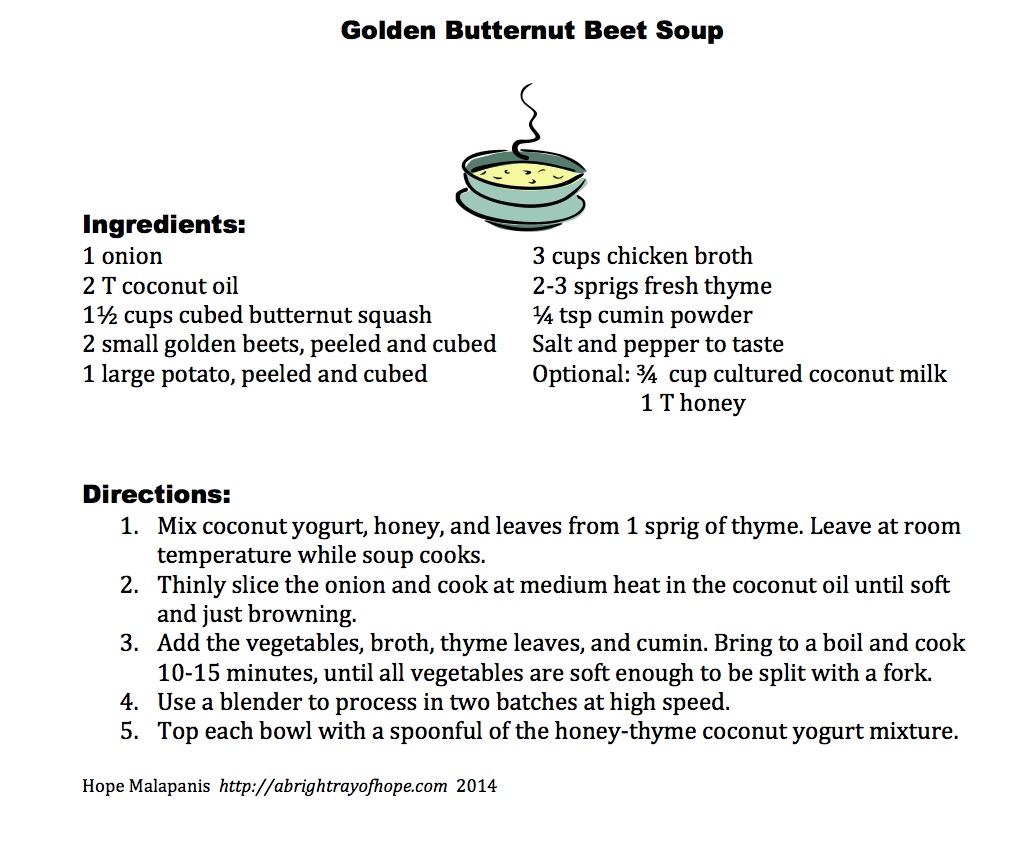
And here is a short-and-sweet format of the recipe:

Golden Butternut Beet Soup